

 by
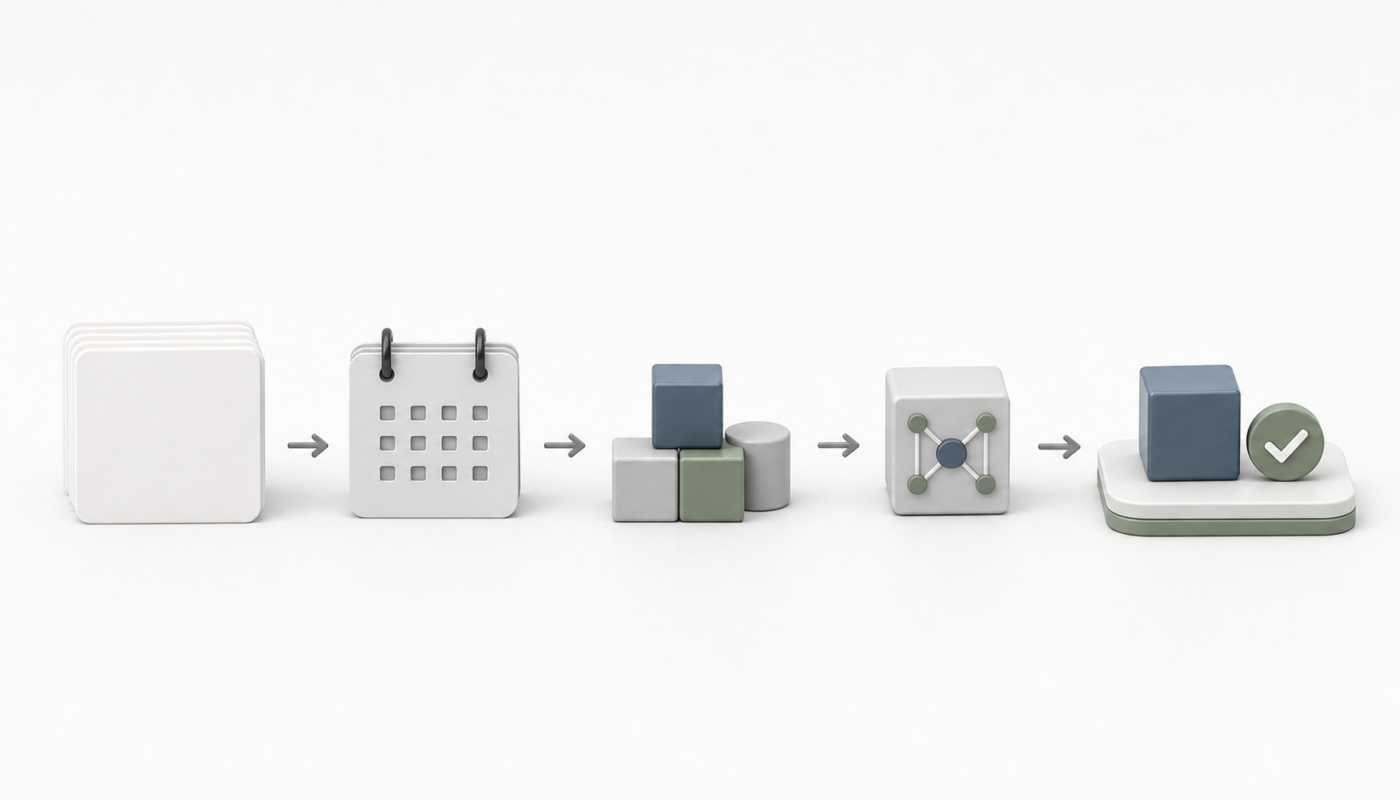
by AIDRAD is built on a simple delivery belief: internal applications can move faster when the team removes avoidable handoffs, validates earlier, and uses AI inside a governed operating model.
Compression is not shortcutting
The goal is not to skip discovery, design, development, testing, or go-live. The goal is to compress the waste between those stages. Long waiting cycles, repeated reinterpretation, and late feedback are the real targets.
Practical toolchain
- Copilot Pro or Microsoft 365 Copilot for turning transcripts and notes into structured intent.
- Google AI App Studio or app-builder tools for visible workflow prototypes.
- Codex for implementation, refactoring, test scripts, and deployment helpers.
- Docker for making the MVP reproducible instead of machine-specific.
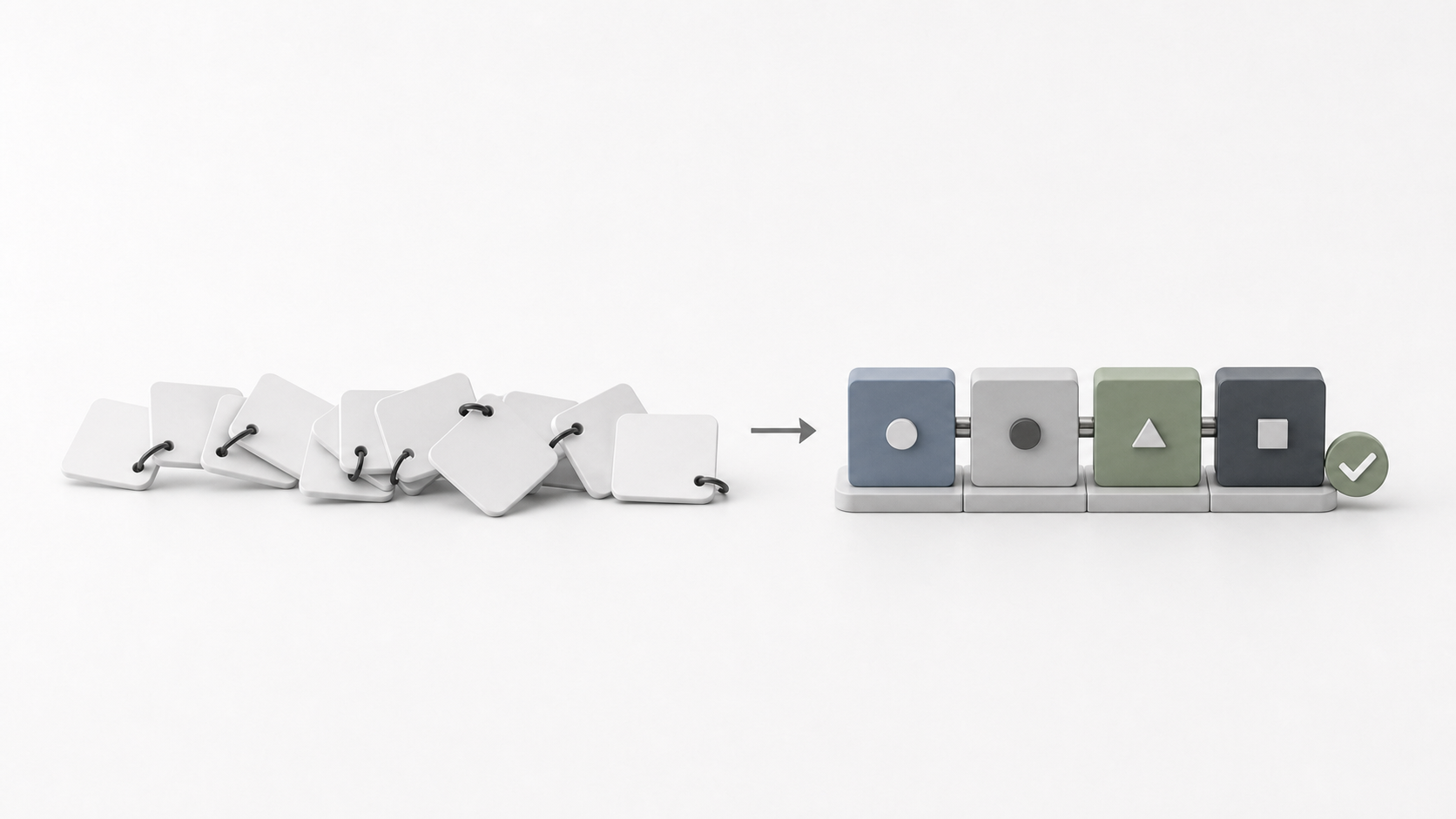
A practical compressed lifecycle
- Capture messy inputs.
- Structure intent.
- Create a demo quickly.
- Validate with users.
- Harden data, access, and integrations.
- Package the deployment.
- Capture reusable patterns for the next build.
What changes for leaders
The leadership review moves from abstract status updates to visible evidence. Instead of asking whether a document is complete, leaders can ask what has been validated, what remains risky, and which reusable pattern this delivery contributes back to the system.
Related reading
- AIDRAD: why internal applications should not take months anymore
- AIDRAD: delivery is an operating model, not a tool choice
- AIDRAD lifecycle: intent to demo to harden to go-live