

 by
by A modern internal app lifecycle should not be a long chain of disconnected handovers. It should be a controlled flow where each stage produces a clearer, more validated input for the next stage.
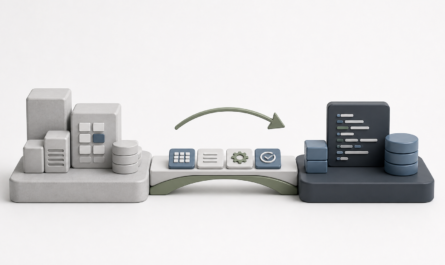
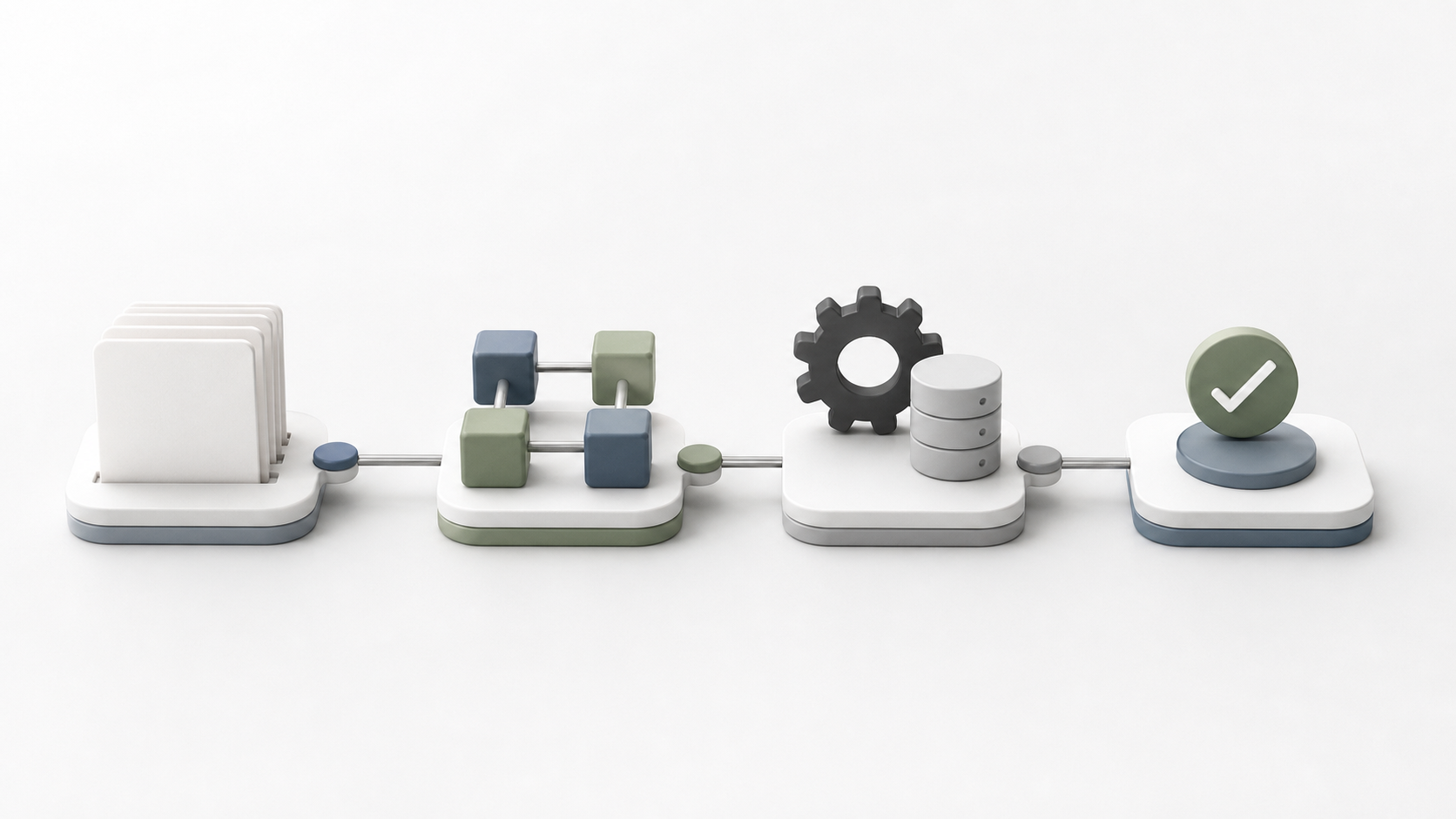
In AIDRAD, that lifecycle is simple to describe: Intent to Demo to Harden to Go-Live. The simplicity is intentional. Internal application delivery gets easier to manage when everyone understands where the work is, what has been validated, and what still needs to be proven before production.
Stage 1: Intent
Most projects do not start with clean requirements. They start with conversations, emails, SOPs, screenshots, spreadsheets, meeting notes, pain points, and half-formed assumptions. Treating that material as if it is already a requirement is one reason delivery goes slow.
The intent stage turns scattered inputs into a structured baseline. AI can help summarize, compare, normalize, and organize the material. But the final intent still needs human validation. The output should answer practical questions: what problem are we solving, who uses it, what workflow must change, what data matters, what decisions are required, and what success looks like.
Stage 2: Demo
Once intent is structured, the fastest way to find misunderstandings is to make the workflow visible. A demo is not only a screen. It is a validation tool.
Demo-driven validation changes the conversation. Stakeholders stop reacting only to paragraphs and start reacting to behavior. They can see the flow, challenge assumptions, request changes, and confirm what matters before the build becomes expensive to change.
Stage 3: Harden
Tool examples by lifecycle stage
- Intent: use Copilot Pro or Microsoft 365 Copilot to summarize transcripts, SOPs, emails, and notes into a structured requirement baseline.
- Demo: use Google AI App Studio or an app-builder style tool to make the workflow visible quickly.
- Harden: use Codex to turn validated behavior into maintainable code, add data persistence, write scripts, and review edge cases.
- Go-Live: use Docker, environment separation, deployment notes, and checklists so the release is repeatable instead of improvised.
The exact product can change. The lifecycle discipline should remain stable.
This is where many fast AI experiments fail. A demo can look convincing while still lacking the fundamentals of a real application. Hardening is the stage that separates a prototype from something an organization can depend on.
Hardening includes the less glamorous work: data persistence, validation rules, access control, error handling, integrations, logging, performance checks, security review, backup considerations, and support readiness. AI can assist with implementation and review, but the standards must be explicit and human-owned.
Stage 4: Go-Live
Go-live should not be treated as a calendar event at the end of the project. It is a delivery phase with its own discipline.
A controlled go-live model asks: where will this run, who has access, how will it be deployed, how will changes be handled, what happens if something fails, who supports it, and how will feedback be captured after release?
When those questions are handled late, the project feels fast until it suddenly becomes risky. When they are part of the lifecycle, speed and control can coexist.
The loop after go-live
The lifecycle does not end when the application is released. Every delivery should produce reusable learning: prompts, patterns, checklists, deployment notes, UI conventions, data-model decisions, support lessons, and governance improvements.
This is where AIDRAD becomes more than a project method. It becomes a productized execution model. Each application should make the next one easier to deliver, not because people remember everything, but because the system captures what worked.
Why this lifecycle matters
The old lifecycle often delays validation and then pays for that delay through rework. The AIDRAD lifecycle moves validation forward, keeps production discipline visible, and treats go-live as part of the design rather than an operational scramble.
That is the practical value of “Intent to Demo to Harden to Go-Live.” It gives teams a shared map. It gives leaders better visibility. It gives stakeholders earlier confidence. And it gives internal applications a better chance of becoming real, trusted tools instead of short-lived experiments.
Related reading
- AIDRAD opener: why internal applications should not take months anymore
- AIDRAD: delivery is an operating model, not a tool choice
- Safely giving AI access to homelab secrets with Bitwarden and MCP
- How to set up a Power Automate Desktop worker machine